
How to get stains out of a couch: the first minutes after a spill
The first minutes decide most stains: lift what is on top, blot with a white cloth, use cool water and stop before the fabric is soaked. WATERFALL's fabric furniture cleaning takes over when blotting is not enough, and the prices page lists the price of each piece. WATERFALL cleans couches at your home from $130: call (747) 214-6199.
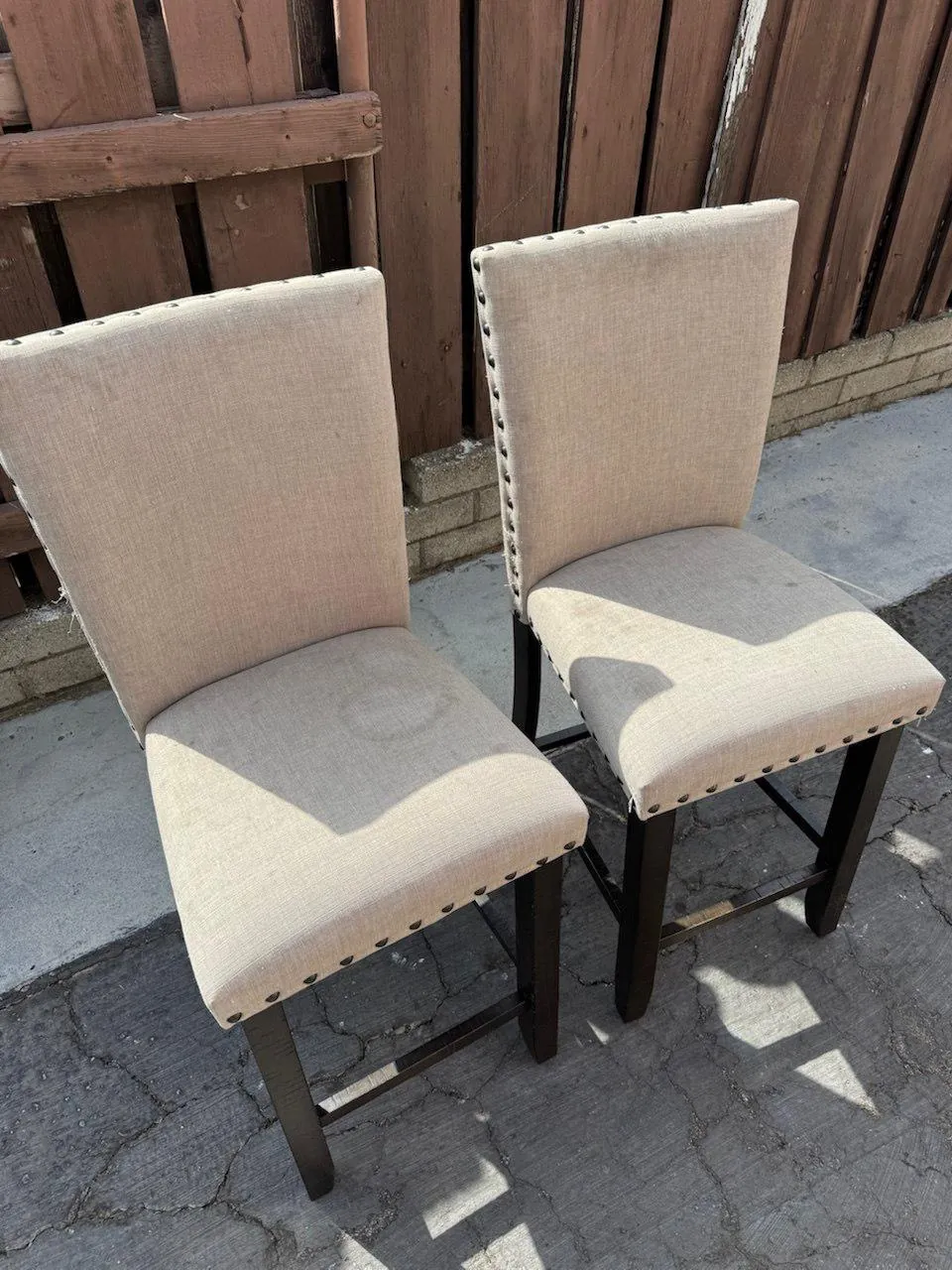
How do you get stains out of a couch?
Blot the mark with a clean white cloth, working from the edge toward the middle, then dab it with a little cool water and a drop of mild dish soap, and blot dry. Check the tag under the cushions first: W means water-based cleaning, S means solvent only, W/S means either, and X means vacuum only (cleaning codes).
Stop when the cloth no longer picks up color. Going on with more water and more scrubbing is what turns a stain into a ring.
How do you remove a stain from upholstery?
Find out what the fabric tolerates, test the cleaner on a hidden spot, then treat the mark with as little liquid as works. The tag names the code, a hidden seam or the underside of a cushion is the place to test, and a cleaner that changes the color there must not go on the front.
Press the cloth, do not wipe it: wiping drags the stain over a larger area and flattens the pile. A stain on a piece you do not want to risk is a job for a professional, and the guide to which stains can be removed says when.
How should you clean a spill on a fabric sofa?
Right away: lift any solids with a spoon, press a clean white cloth on the liquid until it stops picking up, then dab with cool water and blot dry. Work from the outside of the spill inward so that it does not spread, and use a fresh part of the cloth each time.
Do not use hot water, which sets many stains, and do not pour water on the spot to rinse it: the cushion filling holds the water and brings the stain back as it dries.
To get a fresh stain out without making it worse, read the code under a cushion before any liquid goes on, test on a hidden spot, dampen the cloth and never the cushion, and keep bleach, all-purpose sprays, hot water, hair dryers and home steamers away from it. If there is no tag, or the fabric is velvet, silk, wool or linen, blot and text a photo to (747) 214-6199.
How do I clean spills on upholstery to prevent stains?
Be quick: the longer a spill sits, the more time its color and oils have to bond to the fiber. Keep a white cloth and a small bottle of cool water where you sit, lift solids first, blot, and let the fabric dry with air moving over it.
A spill that is blotted in the first few minutes often leaves nothing behind, and one that sits overnight often does. If you cannot reach it that day, blot what you can and text a photo to (747) 214-6199.
My toddler spilled something on the couch: what do I do in the first few minutes?
First check what it is: if it could be a cleaner, a medicine or a battery and your child touched, tasted or breathed it, call Poison Control before you deal with the couch. For milk, juice, food or a drink, lift solids with a spoon, press a dry white cloth on the spill from the outside in until it stops picking up, and do not rub or pour water on it.
Read the tag before adding anything; if it allows water, dab with a cloth barely damp with cool water and a drop of mild dish soap, blot dry and let the cushion air-dry. Milk, vomit and urine soak into the filling and can smell later, so if a smell is there once it is dry, text a photo to (747) 214-6199.
What should I do when something spills on my carpet?
Lift what is on top, then blot with a white cloth or paper towel, pressing down and changing the cloth as it fills. Do not rub, because rubbing frays the pile and spreads the spill, and do not use hot water.
Once the cloth comes up clean, lay a folded white towel on the spot, weight it with something flat and leave it for a while so that it draws up the moisture from below.
How do you get a stain out of carpet?
Blot it, dab a solution of a few drops of dish soap in a cup of cool water onto the spot, blot again, then blot with plain water to rinse. Soap left in the pile attracts dirt, so the rinse matters, and the last step is to blot dry and weight a towel over the spot.
If a faint mark is left after two rounds, stop. More rounds do more harm than good, and the carpet DIY guide covers where home methods run out.
What causes orange stains on carpet and how do I get them out?
Usually one of four things: pet urine, which on a beige carpet can break down the blue dye and leave the red and yellow showing as orange; rust from metal furniture feet, a vent or a leak; a drink or food with dye in it, such as orange soda, sports drinks, juice, tomato sauce or curry; or bleach or an acne cream with benzoyl peroxide that took the color out. An orange ring that appears after a cleaning is a stain wicking back up; the guide to problems after cleaning covers that one.
A food or drink mark is blotted, dabbed with the Carpet and Rug Institute's mix of a quarter teaspoon of liquid dish soap in a cup of lukewarm water on a white cloth, rinsed by blotting with plain water and dried. Rust needs a remover made for carpet, used as its label says, and urine a pet-stain product with no heat; see pet urine in carpet and rugs. An orange patch that nothing lifts is lost color, which cleaning cannot put back; text a photo to (747) 214-6199 and we tell you which it is.
How do you get stains out of wool carpet?
Gently and with products made for wool: blot, use cool water and a wool-safe cleaner, and keep heat away. Wool dissolves in chlorine bleach and is harmed by strong alkaline cleaners, so a household bleach product is never the answer, and a wool carpet that has stayed wet for long can lose color.
The guide to carpet fibers says what each type needs. If the carpet is wool and the stain is old, text a photo before you try anything strong.
How do you get stains out of a wool rug?
Blot, never rub, and use as little moisture as you can: lift solids with a spoon, press a white cloth on the spill, then blot from the edge toward the middle with a cloth barely dampened with cool water. If a mark is left, use a spot cleaner labeled safe for wool, put it on the cloth and never spray it on the rug, and test it first on a hidden corner to see that the dyes do not run onto the cloth.
Keep hot water, home steam cleaners, chlorine bleach, ammonia, hydrogen peroxide and vinegar mixtures off wool: they bleed dyes, leave residue or harm the fiber. Press dry towels on the spot, let it air-dry flat and brush the pile up. For wine, coffee, pet urine, an old stain or a Persian, Oriental or antique rug, stop after blotting and text a photo of the front and back to (747) 214-6199; the wool and Persian rug guide covers the dyes and the fringe.
How do you remove stains from a sisal rug?
With almost no water. Scrape solids off with a dull knife, then press dry white towels on the spill from the outside in until no more moisture comes up, and do not rub; if a mark stays, put a tiny amount of cleaner on a cloth, never on the rug, test it on a hidden corner and dry the spot at once with a fan or a hair dryer on a cool setting.
Do not soak, shampoo or steam a sisal rug at home, and do not pour water on it: it is a plant fiber that shrinks, browns and shows water rings when it gets wet. Check that it is real sisal and not a synthetic sisal-look rug, which is cared for differently; for wine, oil, pet urine or a set stain, text a photo to (747) 214-6199 before it gets wet. The guide to jute, sisal and other rugs says more.
How do you spot clean a rug?
Vacuum it, blot the spot, apply a little cleaner made for the fiber, blot from the edge inward, rinse by blotting with plain water and dry it with air moving. Check the label for the fiber, and test the cleaner on a hidden corner, because rug dyes can run.
Keep the rug flat while it dries and lift it off the floor if you can, so that air reaches the back. The guide to washing a rug at home goes further than a spot.
To avoid leaving a ring, dampen the spot and never soak it, put the cleaner on the cloth, feather slightly past the edge of the mark, rinse by blotting with plain water so that no cleaner is left, and dry it fast: lay folded white towels on it, weight them and change them as they get damp, with a fan blowing across the spot. A ring is over-wetting, leftover cleaner or soil wicking up from below as the rug dries.
How do you spot clean a stain, step by step?
Follow the same order every time, and stop at the first step that works.
- Lift solids with a spoon or the edge of a card, and press a white cloth on liquids.
- Test your cleaner on a hidden spot and wait for it to dry.
- Apply a small amount to a cloth, not to the fabric, and blot from the edge of the mark inward.
- Rinse by blotting with a cloth dampened with plain cool water, so that no cleaner is left in the fibers.
- Blot dry, then dry the spot with air moving over it.
- If a faint mark is left, wait until it is dry before you decide whether to repeat.
What is the difference between a spot and a stain?
A spot is soil or a spill sitting on the fibers, and it comes out with blotting and a gentle cleaner; a stain is a color or substance that has set into the fiber and needs more than that. The same spill can start as a spot and become a stain the longer it sits, which is why the first minutes matter.
On a carpet, a spot usually lifts from the surface of the pile, and a stain stays after the fiber is clean. The guide to old and set-in stains covers the second kind.
Should I try a stain remover first?
On a fresh mark, with a product made for the fabric, tested on a hidden spot, yes; on an old mark, a dye stain or an S fabric, text first, and X fabric takes no liquid. Choose one labeled for upholstery, read what it excludes (many leave out velvet and silk), test it on a hidden spot and let that spot dry before you judge it, then use as little as works: too much leaves a ring. A remover can set a stain if the water is hot, if it is scrubbed in or if it is never rinsed out, and a product that suits one fiber can bleach another.
Never mix cleaning products. The guide to DIY couch cleaning lists what household products can and cannot do.
When should you use a carpet stain remover?
On a fresh, small mark, once you have blotted up what you can, and only a product made for carpet and for the fiber you have. Follow the label, use the amount it says, rinse by blotting and let the carpet dry before you judge the result.
A remover is the wrong tool for a large area, a mark that has been there for weeks or a wool or natural-fiber carpet you are unsure about.
When should you use a professional stain remover or a local cleaner?
When the mark is large, old, dye-based, already treated, on a delicate or X-coded fabric, or on a piece that is dirty all over. A spot that is cleaned on a dirty cushion often looks lighter than the fabric around it, which is why a professional cleans the whole piece rather than the spot alone.
WATERFALL comes to your home: an organic shampoo is worked into the fabric and steam extraction pulls it out with the dirt, and the visit takes about an hour for a typical couch, 1–2 hours for bigger pieces. The price is set by the piece, a couch by its seats, and the prices page lists it; text a photo of the stain to (747) 214-6199 and we tell you what we expect before you book.
Questions and answers
How to remove a stain on the couch?
Blot with a clean white cloth, use a little cool water and mild soap after reading the tag, and blot dry. Do not rub.
How do I get stains off my couch?
Act fast, blot and test any cleaner on a hidden spot. Old marks are a case for extraction.
How to clean a stain on a fabric sofa?
Blot from the edge toward the middle, use as little liquid as the tag allows and let it dry with air moving. Do not rub.
Does steam cleaning a couch remove stains?
It lifts many dirt-based stains because the dirt leaves with the water. Dye and damage are different, and some marks lighten and stay.
How to spot clean a rug?
Blot, apply a drop of soap in cool water to a cloth, blot again and rinse by blotting. Match the method to the fiber.
How do you spot clean a wool rug?
With very little water and a wool-safe cleaner on a white cloth, pressing and not rubbing. Wool dislikes heat.
What causes orange stains on carpet?
Pet urine that broke down the blue dye, rust, a dyed drink or food, or bleach or acne cream that took the color out. Food and drink lift with blotting and a little dish soap; lost color does not, and a photo tells us which.
How to clean spots on a couch?
Blot, spot clean with a damp cloth and let it dry. A cleaned spot on a dusty couch can leave a bright patch, so the whole surface may need cleaning.
What is the best way to get a fresh stain out of a fabric couch without making it worse?
Blot it at once from the outside in with a white cloth, without rubbing, and read the cleaning code before adding anything. On W or W/S fabric, dab with a cloth barely damp with cool water and a drop of mild dish soap, rinse by blotting and let it air-dry. On S fabric or with no tag, text a photo to (747) 214-6199; X fabric takes no liquid at all.
Should I try a store-bought stain remover first or is that a mistake on a couch?
Not a mistake on a fresh mark, if the tag says W or W/S, the product is made for upholstery and it passes a test on a hidden spot. On S fabric, an old mark or a dye stain, text a photo to (747) 214-6199 before you try it; X fabric takes no liquid.
Show 2 more questions
How do I spot clean an area rug without leaving a ring behind?
Use as little liquid as works, rinse out every bit of cleaner by blotting with plain water, and dry it fast under weighted white towels with a fan. Rings come from over-wetting, residue and soil that wicks up as the rug dries.
When something spills on upholstery, should I blot it or rub it?
Blot it, never rub: press a clean, dry white cloth on the spill from the outside toward the center and turn to a dry part as it fills. Rubbing spreads the stain, drives it deeper and roughens the fabric.
Prices and booking
More guides
- Stain removal: all guides
- Coffee and wine stains in carpet or a couch — Most food and drink comes out when it is blotted fast with cool water; wine, tea, coffee and mustard carry dye and are the ones to act on first.
- How to get old stains out of a couch — Old stains often lighten and may not vanish; what makes one permanent is dye, heat, time, fiber and what was tried before.
- Which stains cannot be removed? — Professional cleaning lifts most food, drink, grease, mud and soil stains and can lighten others; dye, bleach and burns are changes to the fiber and may stay.
- How to clean a couch at home (DIY) — Read the tag, test, use as little water as possible and blot; stop when the dirt is in the cushion.
Sources: IICRC (The cleaning and restoration industry's standards body, for how professionals clean fabrics and carpet.); The Carpet and Rug Institute (The carpet and rug industry's trade association, for how carpet is made, cared for and cleaned.)