How to get stains out of a couch
Blot, do not rub; use cool water and a white cloth; test a hidden spot first; stop when the cloth stops picking up color.
There is no single best stain treatment: blot at once with a white cloth, do not rub, read the cleaning code, test a hidden spot and use cool water, then match the method to the stain: food and drink, grease, ink and paint, water rings, blood and mud, discoloration and old marks. When the mark is old, dye-based or on a fabric you do not want to risk, WATERFALL's fabric furniture cleaning comes to your home, and the prices page has the price of the piece. WATERFALL cleans couches at your home from $130: call (747) 214-6199.
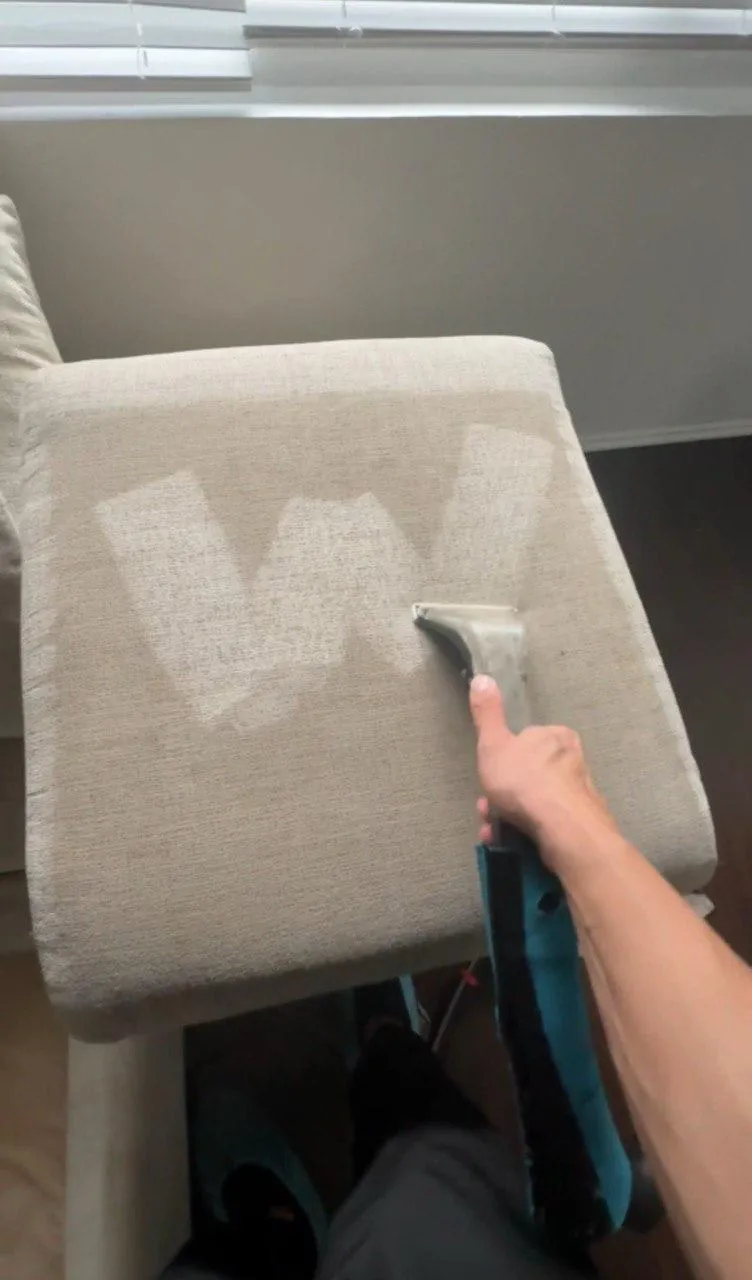
Blot, do not rub; use cool water and a white cloth; test a hidden spot first; stop when the cloth stops picking up color.
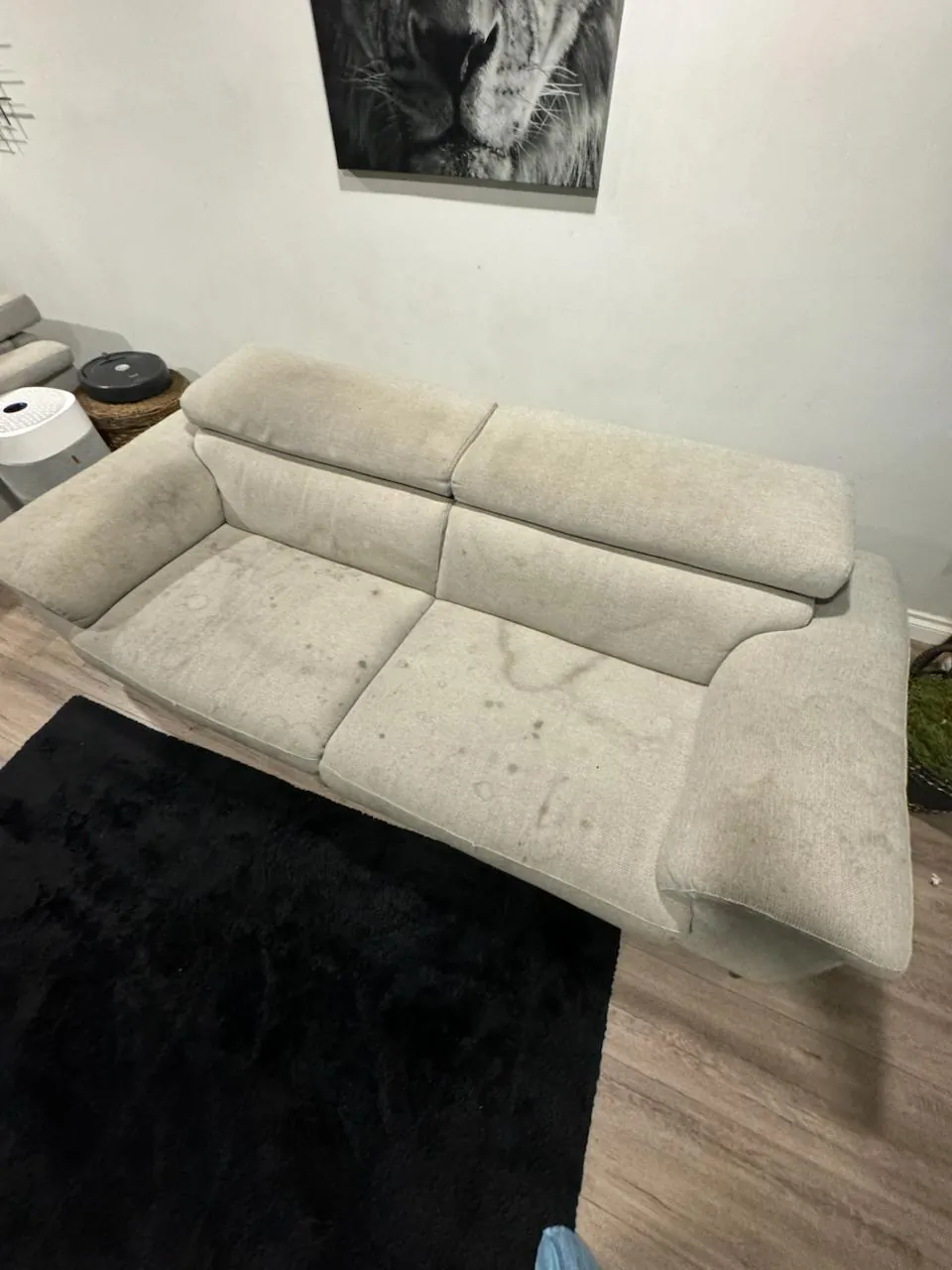
Most food and drink comes out when it is blotted fast with cool water; wine, tea, coffee and mustard carry dye and are the ones to act on first.
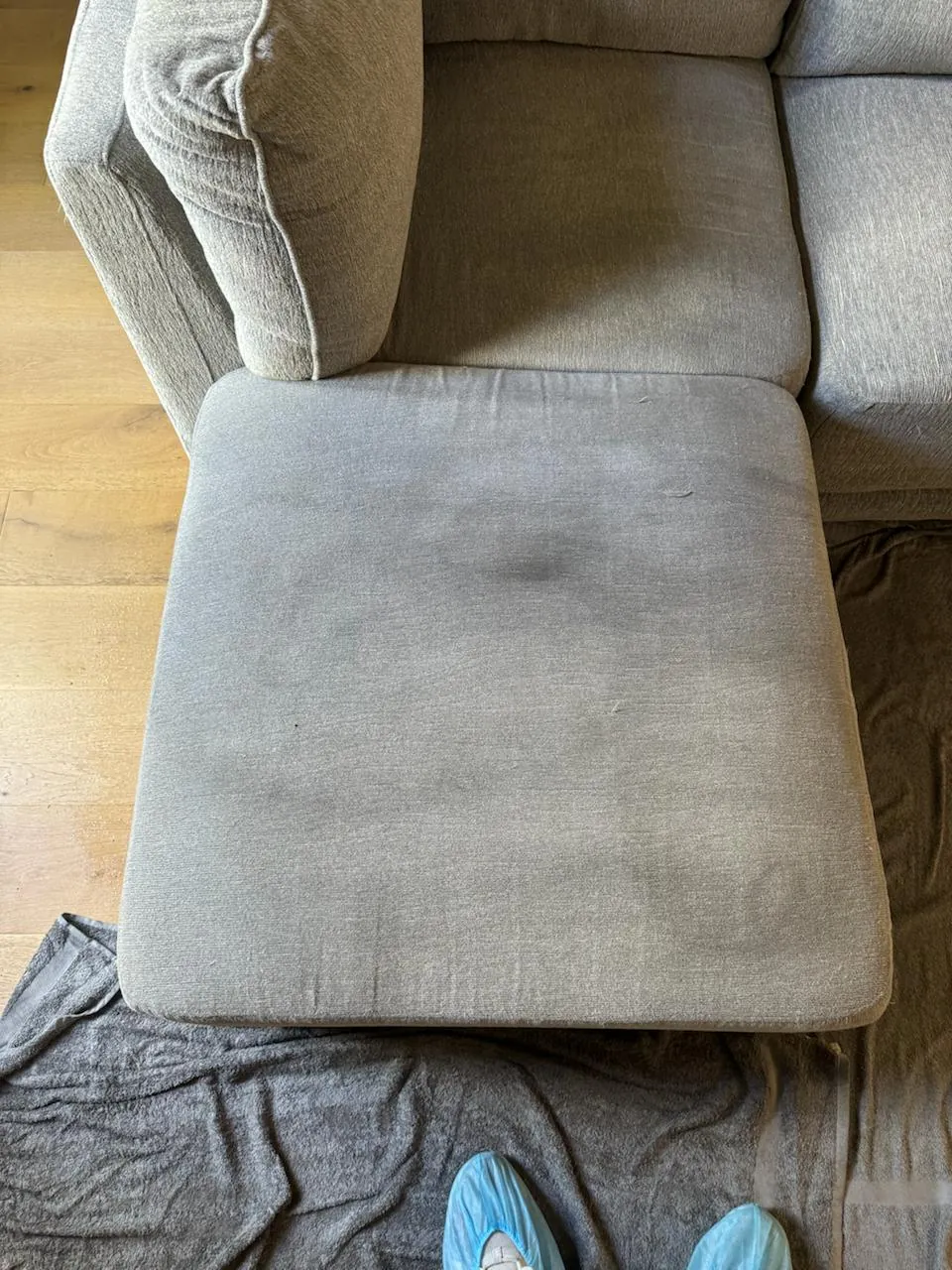
Absorb the oil first with cornstarch or baking soda, then lift the rest with dish soap in cool water; body oil builds up in layers and needs the whole cushion cleaned.
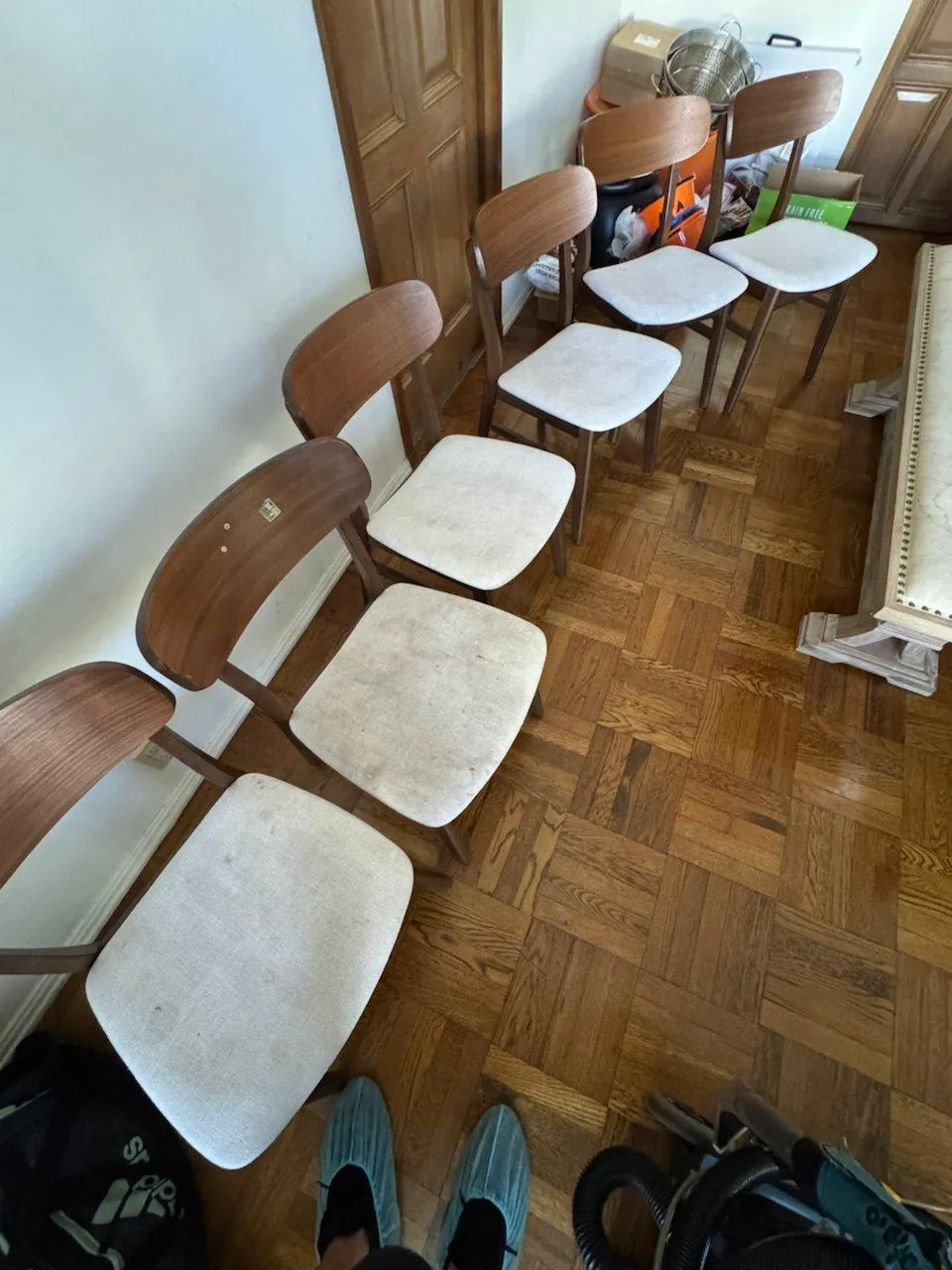
Ink, paint, nail polish and hair dye are the stains to treat in the first minutes and the ones to ask about early; wax, gum, slime and tar are lifted off before they are cleaned.
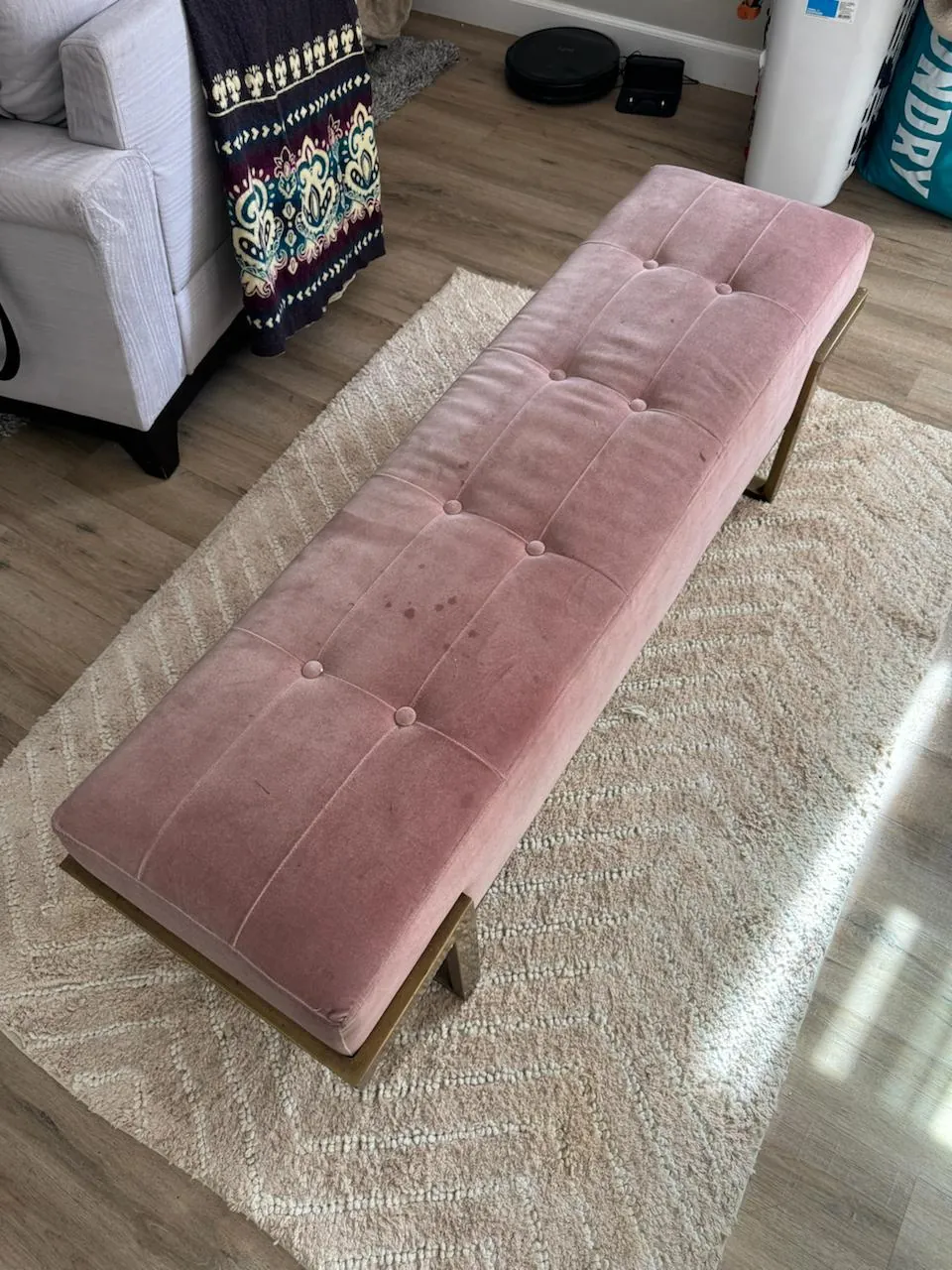
A water ring is cleaned by treating the whole panel evenly and drying it fast; rust, soot and burns are different problems and some of them stay.
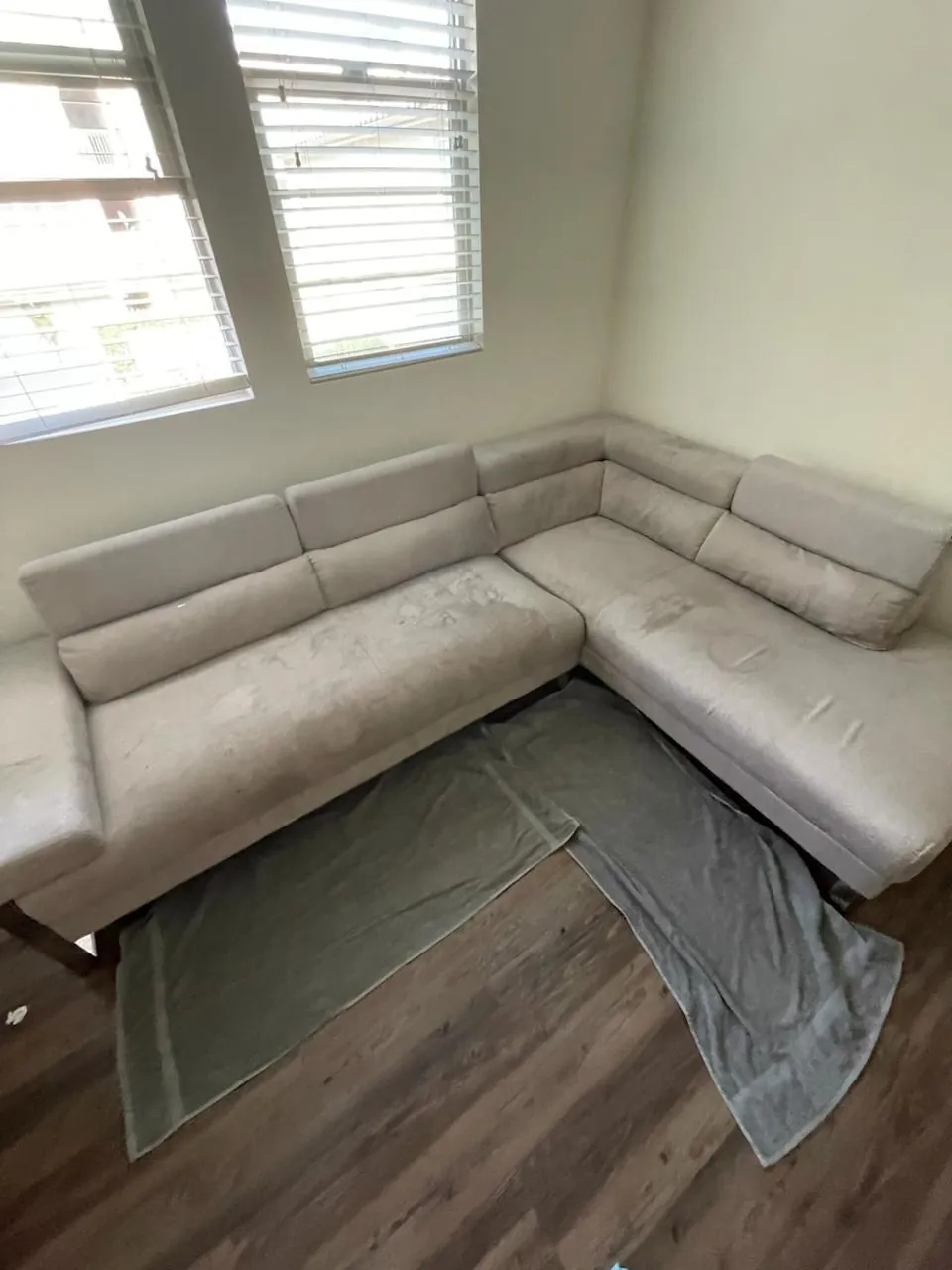
Blood and spit-up come out best with cold water and blotting, never heat; mud is left to dry, then vacuumed before it is cleaned.
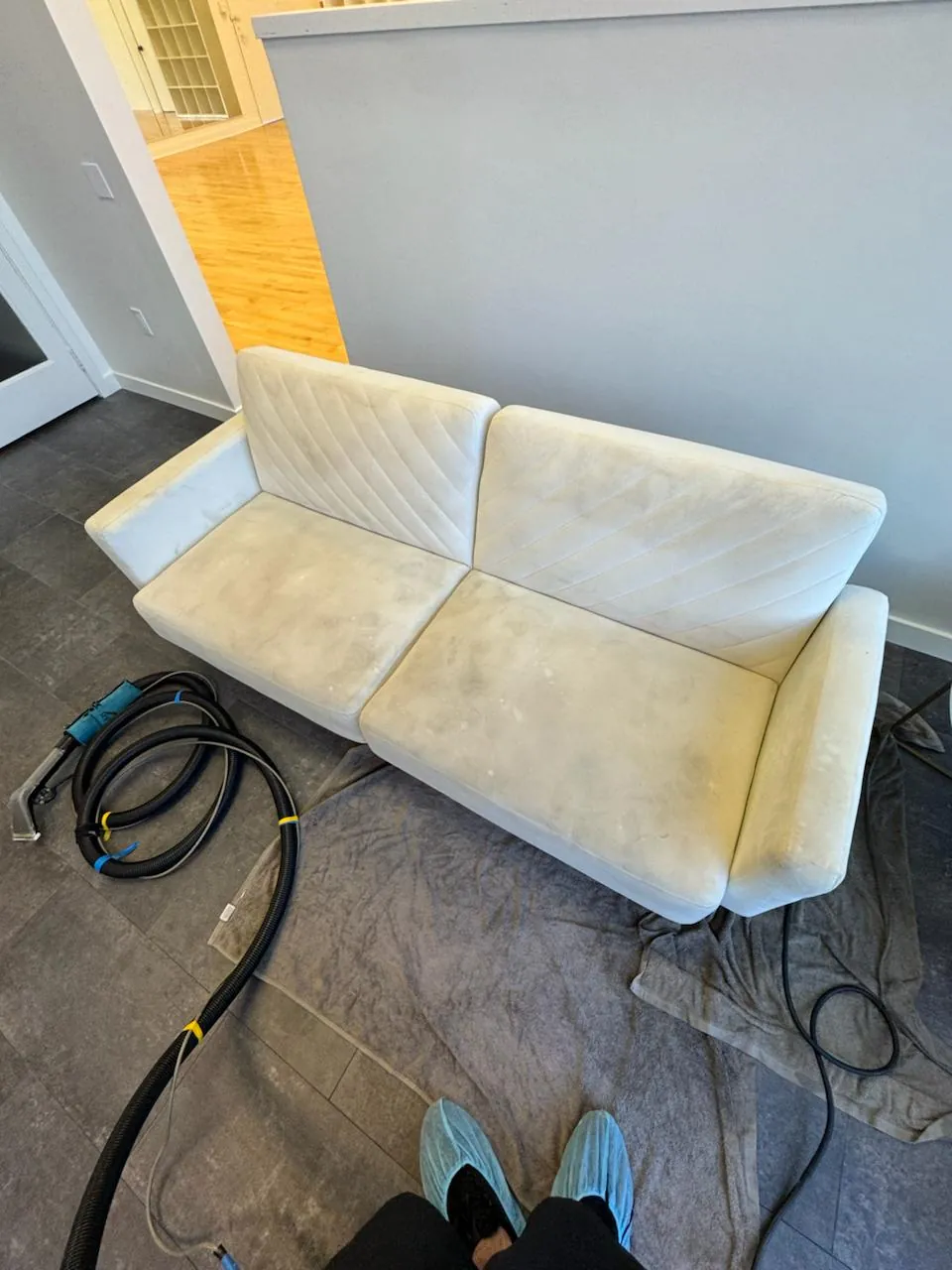
Soil that darkens or yellows fabric can be cleaned out; a bleach spot or burned patch is lost color and cannot; traffic lanes and black edges lighten and may not vanish.
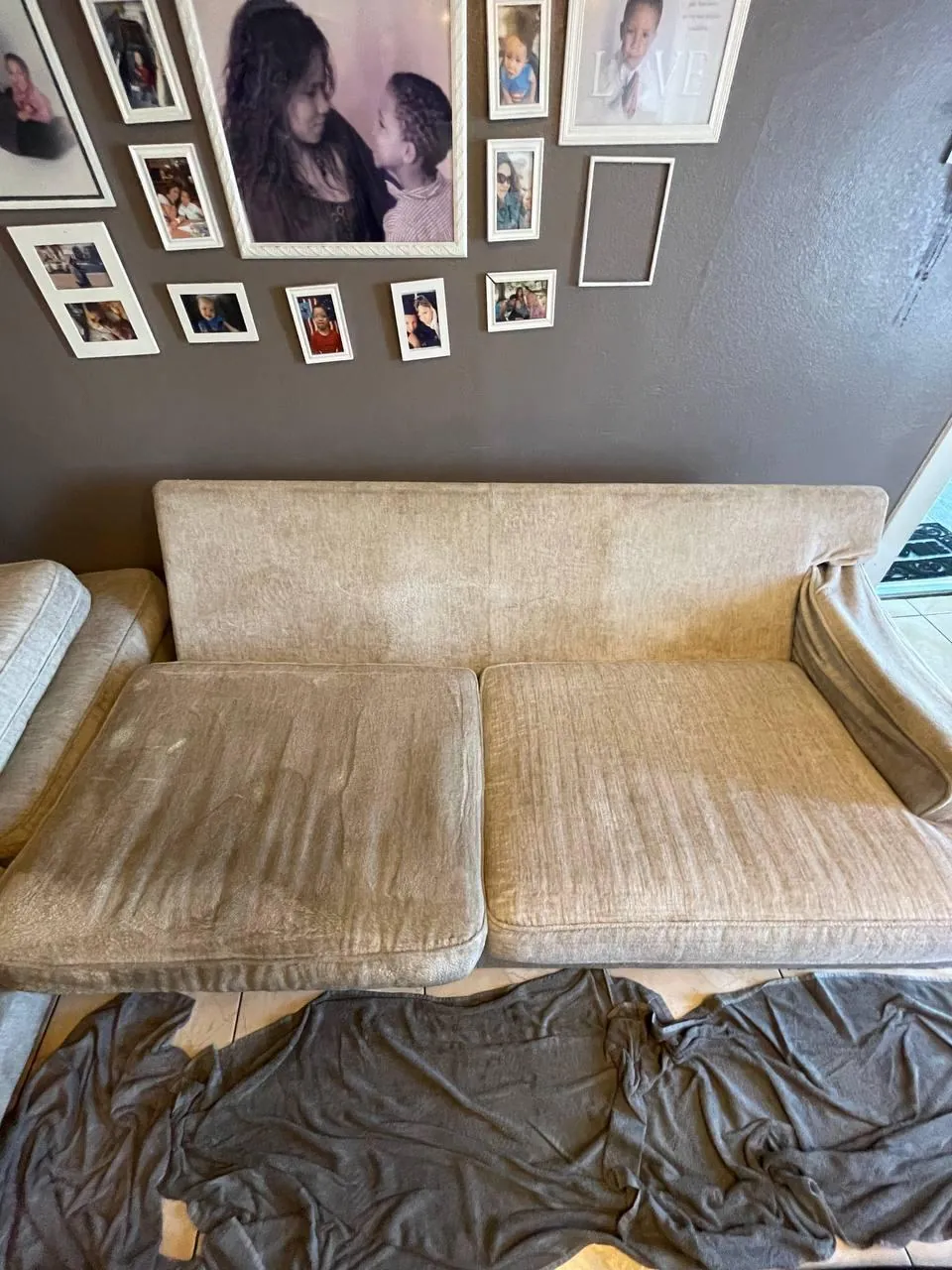
Old stains often lighten and may not vanish; what makes one permanent is dye, heat, time, fiber and what was tried before.
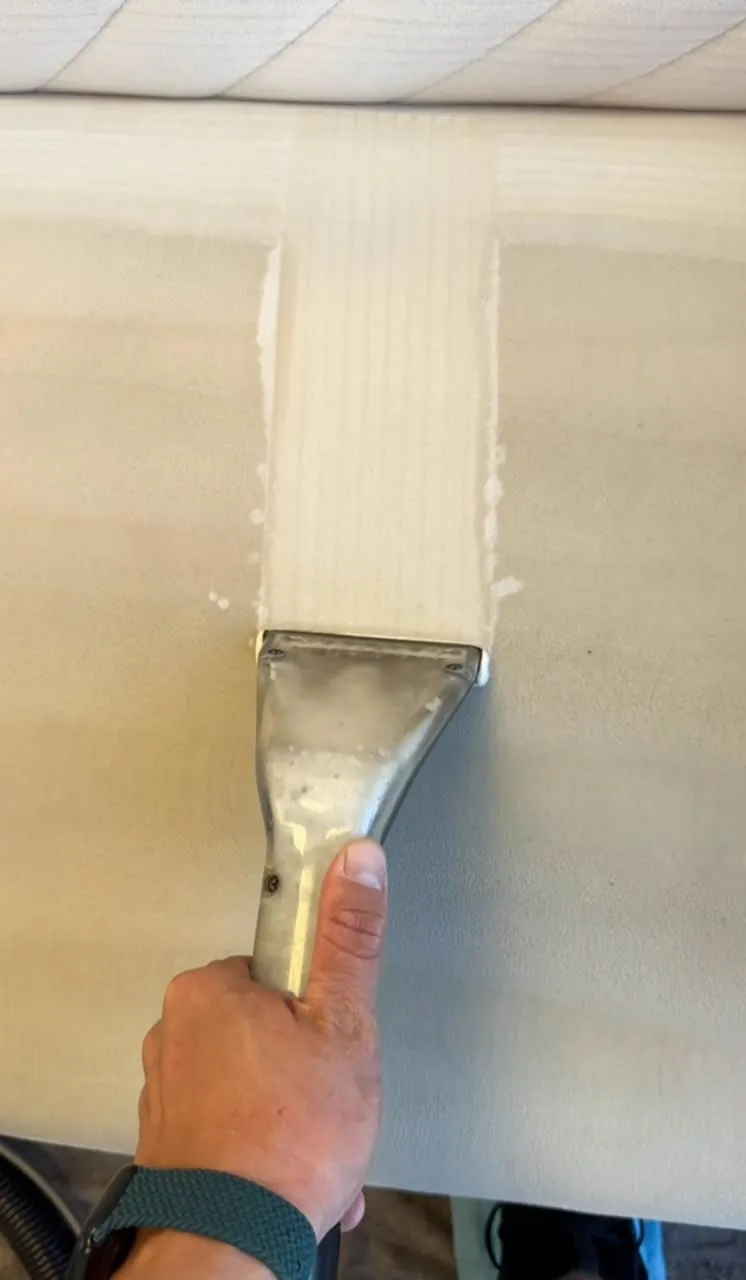
Professional cleaning lifts most food, drink, grease, mud and soil stains and can lighten others; dye, bleach and burns are changes to the fiber and may stay.
There is no single best one: the right treatment depends on what the stain is made of, and the first move is the same for all of them, which is to blot at once with a white cloth and not rub. Coffee, tea, wine and soda come out best with cool water and a little clear dish soap; blood, milk, egg and vomit need cold water and never heat; grease and oil are absorbed first with cornstarch or baking soda and then lifted with soap; ink, hair dye and mustard are dyes that need a fast start and a test on a hidden spot.
Check the tag under the cushions first: W means water-based cleaning, S means solvent only, W/S means either, and X means vacuum only (cleaning codes). Keep heat away until the mark is gone, because heat sets most stains; the guides on this page give each kind its steps.
Yes, on most fabric couches, rugs and carpet, if the cleaning code allows it and you test first: blot, put a little cleaner on a white cloth rather than on the fabric, work from the outside of the mark inward, rinse by blotting with plain water and let it dry with air moving.
Do not put any liquid on a fabric coded X, which is vacuum only. For a piece labeled dry-clean only, velvet, silk or a spill that has soaked into the cushion, text a photo to (747) 214-6199 first. The step-by-step guide has the order.
Not always. A fresh spill blotted at once often leaves nothing, while an old, oily or dye-based stain may only fade, and a spill that soaked into the filling or the carpet pad can wick back up as it dries.
Rinse out every bit of cleaner, because residue attracts soil and brings the spot back darker. A spot cleaned on a dusty cushion can also look lighter than the fabric around it, which is when the whole piece needs cleaning.
No. Most fresh food, drink, mud and grease marks can be, but a bleach spot or a burn is lost color or damaged fiber, dried paint and nail polish rarely come out at home, an X-coded or dry-clean-only fabric should get no liquid at all, and a spill that has gone through to the filling is bigger than the spot you see.
Never mix two stain products, and stop after two careful rounds; the guide to which stains cannot be removed lists the ones that stay.
Blot the mark with a clean white cloth, do not rub it, and use a little cool water with a drop of mild dish soap, after reading the cleaning code on the tag. Rubbing pushes the stain deeper and roughens the fabric, and too much water leaves a ring, so the first-response guide gives the steps in order.
Yes. We come to your home in Los Angeles County, and the whole piece is cleaned where it stands: an organic shampoo is worked into the fabric and steam extraction pulls it out with the dirt. Some marks lighten and some stay, and the guide to which stains can be removed says which are which.
The price is set by the piece, not by a stain list: a couch is priced by its seats, a dining chair, an armchair, a mattress and a rug each have a price on the booking form, and carpet is priced per room. The prices page lists them. The price you see is the price you pay: nothing is added when we arrive. Pet urine and odor is a separate option, priced per stain and treated with enzyme products; payment is accepted in any form, after the work.
No, and a good cleaner says so before the visit. A stain that is dye, bleach or a burn has changed the fiber, and an old or already-scrubbed one may lighten without going; the stain's kind, its age, the fabric and what was tried earlier decide the result. Text a photo of the mark to (747) 214-6199 and we tell you what we expect.
Not genuine leather: we do not clean it. We do clean faux leather and suede, and fabric upholstery, mattresses, rugs and carpet. The explainer says how each of these materials is looked after.
Because soil from deeper in the cushion wicks up as the fabric dries. Old and set-in stains explains it.
It can, especially on blood and protein stains, so start with cool or cold water. Heat can fix a mark into the fiber.
Blot it at once with a clean white cloth, pressing and not rubbing, and use cool water if the tag allows water. The first-response guide gives the steps in order.
Dirt, food and drink, oil and body-oil marks and many fresh spills. Dye, bleach and burns are the ones that stay, and we tell you what we expect from a photo.
Blot, do not rub, and dab with a remover that the carpet allows on a white cloth, working from the edge in. Test it on a hidden corner first, because ink often leaves a shadow.
Sometimes lightened, rarely gone. Text a photo of the mark and we tell you what we expect before you book.
When repeated blotting with cold water stops lifting it. A set blood stain may lighten, and a photo helps us tell you what to expect.
One photo of the whole piece and one close-up of the mark, with the tag if you can, by text to (747) 214-6199. That is what we need to tell you what we expect.
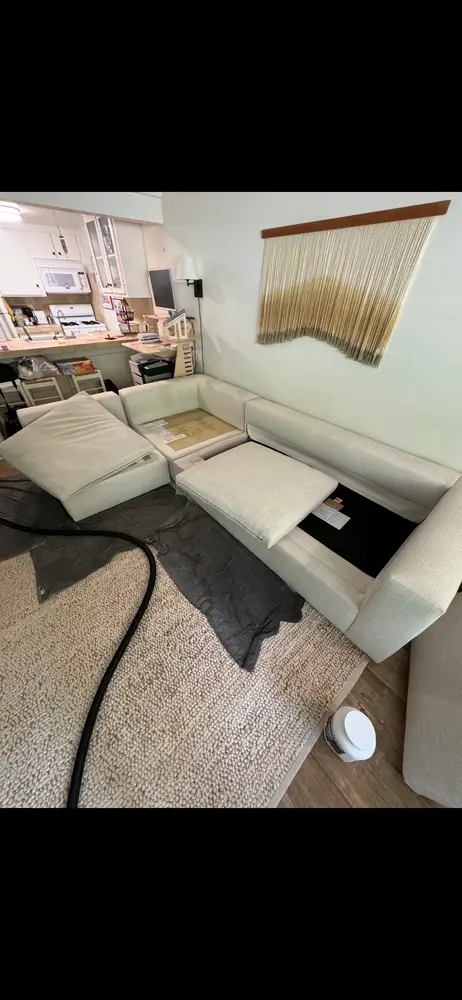
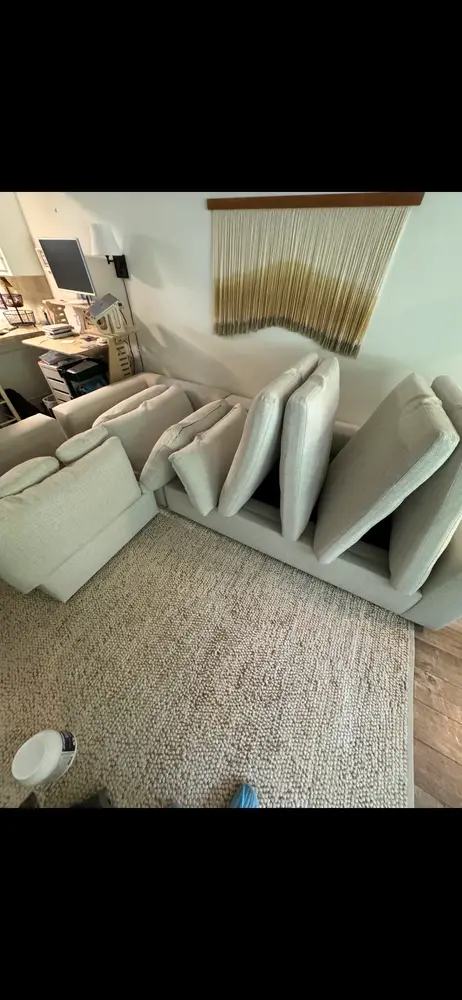
…Never buy a cream-colored couch! The piece Sergey cleaned today was a wreck and is almost perfectly back to brand new. For example the ottoman in the foreground here had a massive intractable coffee stain of which there is now no trace!…
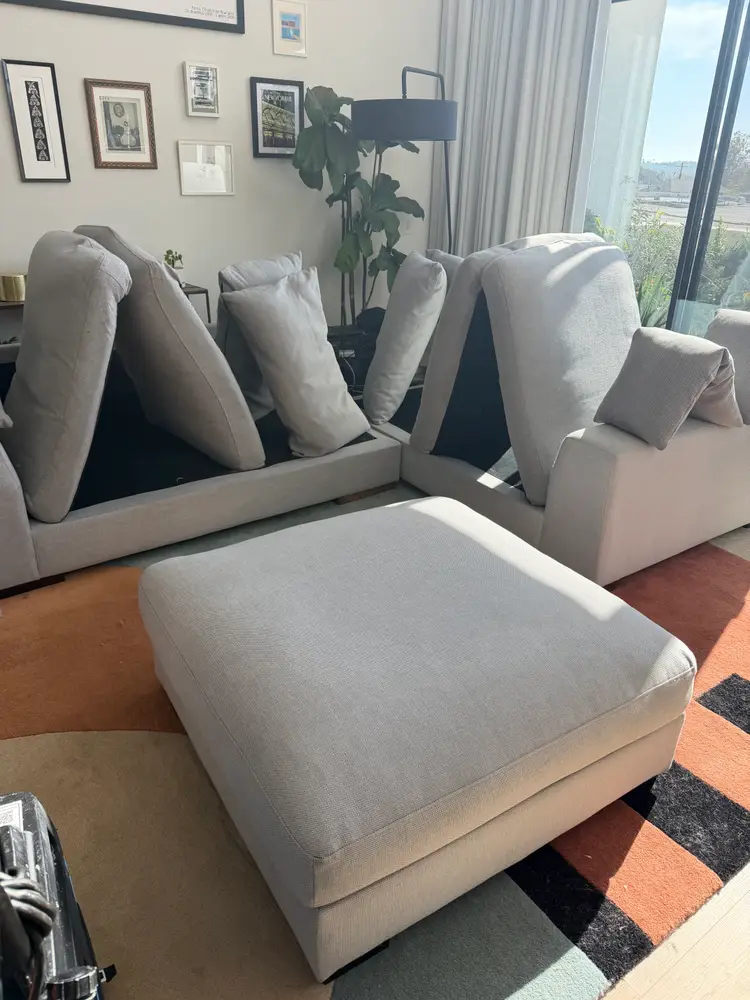
Sergey did a wonderful job on my three couches. He even got the coffee stains that I thought would never come out. No smell from the cleaning.
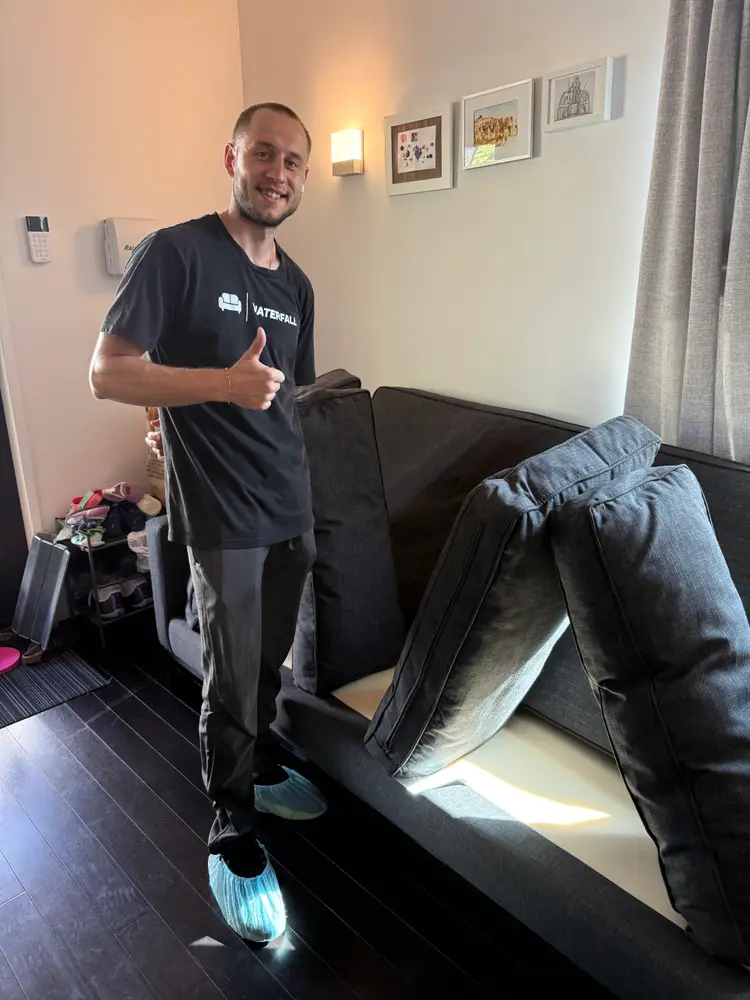
I’m so happy with the couch cleaning service! My sofa had stains from pets and coffee, and now it looks brand new. The technician arrived on time, was very polite, and explained the whole process. I couldn’t believe how fresh and clean everything smelled after they finished.…